The skills section on a resume is one of the first things an employer will look at, and it’s important to tick all the boxes to get through to the first interview stage.
Companies look for candidates with a range of skills and abilities, and each job will have different requirements.
As we keep advancing with AI and other technology, technical and computer-based skills will be key to landing some of the most in-demand jobs. However, it’s important to list the skills that are most relevant to the job you want, as well as soft skills that show you can be a leader and adapt to challenging situations.
Keep reading to understand the top skills employers want, and take advantage of our AI resume builder, which includes an AI skill generator that offers top suggestions to help you add the most relevant skills to the job you want.
10 Skills Employers Look for on Your Resume
The skills employers want to see can depend heavily on the job description, however, a large number will want to see certain hard and soft skills.
As the World Economic Forum pointed out in their 2025 report, AI expertise is becoming very useful in the job market. Having some AI skills when you work with typical software such as ChatGPT, Google Workspace, or Microsoft Suite can help you land a job in a number of fields.
However, all employers want to know that you have the soft skills to be a team player, good coworker, and a leader someday.
Check out the following 10 top skills for your resume to impress an employer or recruiter.
Adaptability and resilience
In dynamic workplaces, the ability to adapt to change and embrace new tools or strategies is crucial for sustaining performance and meeting evolving business needs.
You may also find yourself taking on a new role due to something unexpected, and showing you can adapt will win a hiring manager over.
Generative AI tools proficiency
Professionals nowadays in various sectors, such as marketing, sales, editing, journalism, and more, should have basic knowledge of generative AI tools such as ChatGPT, perplexity, and Gemini.
If you are in a tech role, strong skills in programming languages like Python or R are also important, as are popular machine learning frameworks like TensorFlow and PyTorch.
Communication skills
In the vast majority of jobs, the need to communicate effectively is essential, often in writing as well as verbally. Whether you’re dealing with colleagues, managers, or customers, interpersonal skills are a must.
Even if you work alone most of the time, it’s still necessary to communicate with bosses and clients in most job roles. When writing a student resume or an entry-level resume it’s important to keep these basic skills in mind.
Organization
Organization leads to efficiency and allows teams to operate effectively. The opposite is total chaos. If you can demonstrate you have organizational skills, it shows that you will contribute to the the company running smoothly.
Research
Research requires the ability to gather, evaluate, and synthesize information effectively.
This is an important analytical skill that employers like to see on a resume as it shows you can interpret data and identify patterns, while attention to detail ensures accuracy and reliability in findings.
Skills in research are essential for developing evidence-based conclusions and advancing knowledge in any field.
Problem-solving
Critical thinking skills, otherwise known as problem-solving skills, are highly valuable as recruiters like applicants who can figure out solutions to issues quickly.
Employees need to be able to think for themselves and work things out. These strengths can help solve a company’s problems as well as boost efficiency.
Data analysis and interpretation
The ability to analyze data and extract specific insights is huge in a lot of jobs across different industries; it doesn’t only apply to data analysts.
Proficiency in tools like SQL, Python, Tableau, and machine learning models is crucial for transforming raw data into meaningful insights that drive innovation.
Emotional intelligence (EQ) and empathy
Emotional intelligence involves understanding and managing emotions in yourself and others. This can help you strengthen relationships, create effective communication, and help resolve conflicts.
By being empathetic, you’ll be able to promote inclusivity and a positive work environment.
Management
Strong managers excel at setting goals, prioritizing resources, and making informed decisions. Employers want to see someone who has management skills and the ability to use strategic planning to make sure they keep teams focused on achieving business objectives.
Persuasion and sales
If you have skills in sales, it shows you can build trust and create strong client relationships. Persuasion skills allow professionals to communicate value effectively, handle objections, and close deals, which is exactly what employers want to see.
When you couple sales with relationship-building, these skills create long-term partnerships and repeat business.
Tips for Adding Top Skills to Your Resume
One thing is knowing the skills an employer wants to see; another is placing them correctly on your resume to catch their attention.
Here are a few tips to help you include these top skills in your resume:
- Review the job description to understand what skills the employer is looking for.
- Include them throughout your resume, not just in a skills list.
- Explain how you used your skills successfully with quantifiable data that shows the results of your actions.
- Place your skills section below your resume summary and before the experience or education section to emphasize their importance.
To help you tackle each of these points, use our AI resume builder to get expert suggestions in seconds on how to highlight your skills and impress a hiring manager.
You can then have your resume reviewed by an expert to make sure it’s ready to go!
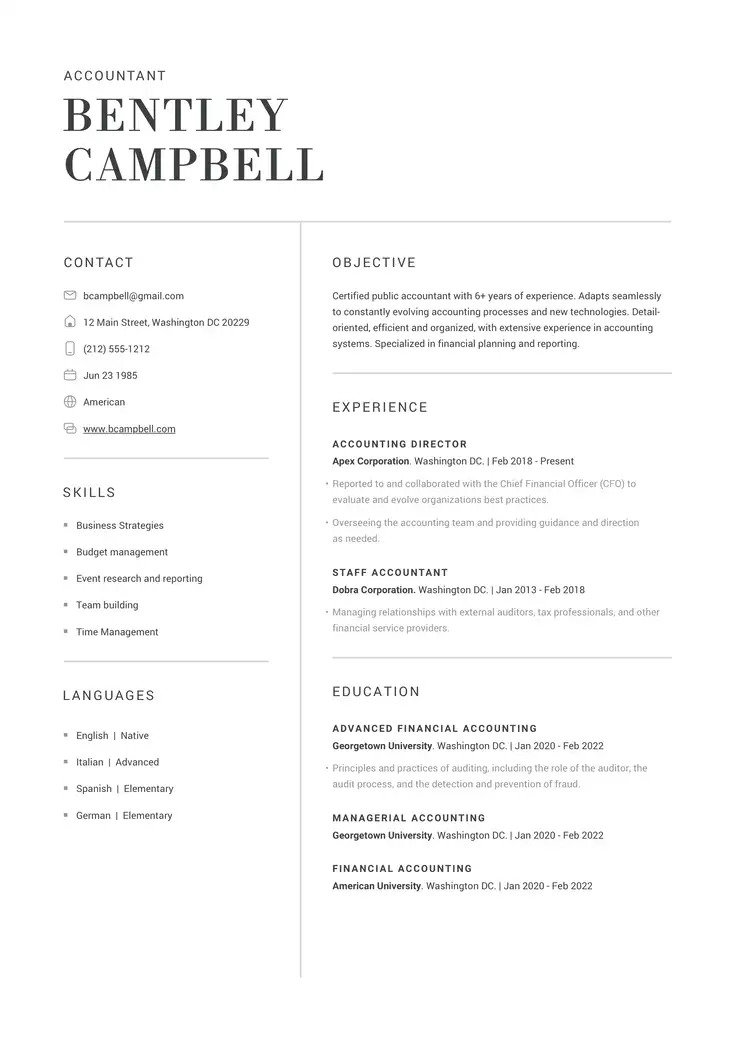
Struggling with Resume Writing?
Ease the process with our templates
Related Posts