
Functional Resume Writing Guide
The skills-based resume is perfect for a career change.

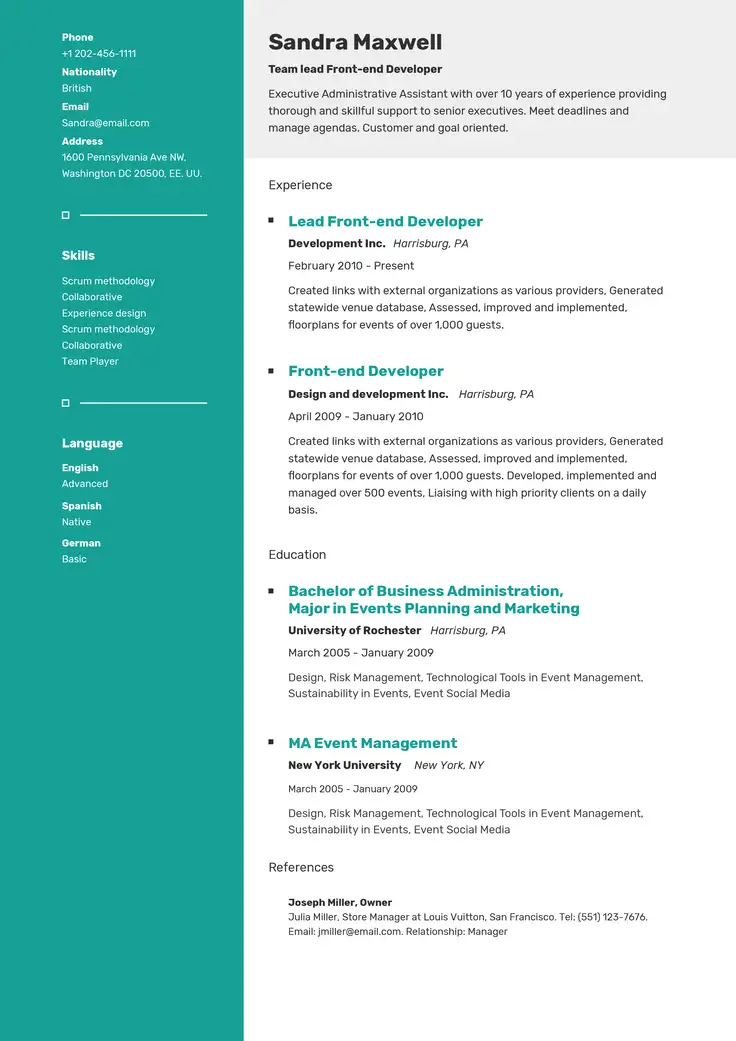
The lesser-known functional resume can be a great option for certain positions requiring many technical skills or if you do not have a lot of work experience related to the role you’re applying for.
This guide to writing a functional resume will provide you with tips for creating a resume that works for you.
You’ll learn how to showcase your best skills and customize the functional resume layout to fit the abilities you can personally bring to the new vacancy.
Ready to start? Our AI resume builder can help you create the perfect functional resume that illustrates the skills you can bring to the table.
What is a Functional Resume?
The Functional Resume is the least common of the three main resume formats. Also known as the skills-based resume, its focus is the abilities and achievements of the candidate.
This format is especially useful for those who may not have extensive job experience, such as entry-level applicants, students, or those making a career change.
By emphasizing transferable skills over a chronological job history, it allows you to present yourself as a qualified and capable candidate.
If your work history is sketchy or there are gaps in your work experience, a functional resume template could help you conceal these periods by highlighting your skills rather than work experience. You may have acquired these skills from volunteering or professional courses, for example.
The Functional Resume Layout
When writing a functional resume, you focus on the skills and achievements you’ve obtained or accomplished in your personal life and professional career.
Here’s a list of what to include in a comprehensive functional resume:
- Contact details
- Qualifications summary and list of technical and practical skills
- Principal skills and description of achievements as evidence
- Education section
- Brief list of employers
You can try using a resume builder or take a look at some resume examples to get some inspiration for your functional resume. Our AI resume builder offers a quick and reliable way to tailor your resume to the job you want.
Sample Functional Resume
It can be helpful to look at a sample functional resume before drafting your own. Below is a quick but comprehensive example, highlighting skills over work experience:
Jane Smith
📞 (123) 456-7890
📧 jane.smith@email.com
🌍 www.linkedin.com/in/janesmith
Summary of Qualifications
Creative and data-driven marketing professional with experience in digital campaign management, SEO, and content strategy. Proven track record of increasing brand engagement and driving ROI through targeted online initiatives. Highly skilled in cross-functional collaboration and performance optimization.
Technical and Practical Skills
- Google Ads & Google Analytics
- SEO/SEM strategy
- Email marketing platforms (Mailchimp, HubSpot)
- Social media scheduling tools (Hootsuite, Buffer)
- Adobe Creative Suite & Canva
Digital Campaign Management
- Managed multi-channel campaigns with an average ROI increase of 35% YoY
- Reduced cost-per-click by 22% through A/B testing and keyword optimization
- Oversaw a $100K annual ad budget while maintaining performance goals
SEO & Content Strategy
- Boosted organic traffic by 60% within 6 months through targeted keyword strategies
- Created and led content plans resulting in a 40% increase in blog engagement
- Implemented on-page SEO best practices across 200+ web pages
Email Marketing
- Designed and executed automated email flows, increasing open rates by 28%
- Launched seasonal newsletters with average CTR of 15%
- Segmented email lists to improve targeting and reduce unsubscribe rates
Analytics & Reporting
- Built weekly dashboards in Google Data Studio for leadership reporting
- Conducted monthly performance reviews and adjusted tactics accordingly
- Tracked KPIs to assess lead generation and customer conversion success
Education
B.A. in Marketing
University of California, Los Angeles (UCLA)
Graduated: 2016
Work History
- Marketing Specialist, TrendSet Media | 2021–2022
- Content Assistant, CreativeSpark Agency | 2018–2019
How To Write A Functional Resume
Below is a quick guide to writing a functional resume that helps highlight your skills.
1. Contact details
Any functional resume layout begins with your contact details. Include your full name, phone number, and email address.
2. Summary
This is followed by a new section dedicated to summarizing the qualifications that are most relevant to the vacancy you’re applying for. You can use our AI summary generator to help you write a new summary specific to each new role.
3. Technical and practical skills list
Next, include a brief list of technical and practical skills that you possess.
4. Key skill sections with supporting evidence
This is the main section of a functional resume. Include a list of 3–4 key skills that you have mastered and that are applicable to the position you’re applying for.
The skills you mention in your functional resume should be followed by a bullet point list detailing evidence of the skill in use and the results obtained through their use.
💡Top Tip
You should attempt to include at least one quantifiable point per skill. This means that you should show the potential employer how much you were able to improve or increase efficiency/budgets/funds/revenue/production, etc. by using said skill.
5. Education section
Once you’ve outlined your skills and supporting evidence, include a section dedicated to your educational background.
6. Work history (minimal format)
Next, include a brief list of your previous employers, along with the dates you worked there.
Ready to get started on your own functional resume? Our builder is a great place to start, letting you generate a resume tailored to the job description in just a few minutes.
Tips for Writing a Functional Resume
The functional resume format is not the typical resume that everyone learns to use at the start of their career.
If you’ve decided that it is the fitting resume structure for your needs and for the vacancy that interests you, the following tips should help you:
- The evidence you provide for your skills should include clear, quantifiable results you’ve achieved.
- Use clear and direct language when discussing skills. The idea is that the employer understands how you personally have implemented that specific skill and accomplished something appropriate to the new role.
- Putting a positive spin on periods of unemployment is possible by labelling them with a different term. For example, mention if you were traveling, studying, or parenting at the time.
Take advantage of our resume builder to get AI-crafted suggestions that show off your skills and relevant achievements.
Functional Resume: Advantages and Disadvantages
If you decide to use a functional resume format, it’s important to weigh up the positive and negative aspects regarding your personal requirements.
Pros 👍
- Great for career changers, students, or entry-level applicants with limited experience
- Lets you showcase transferable skills even without direct job history
- Helps tailor your strengths to the specific role you’re targeting
- Avoids the repetition that’s common in chronological resumes with similar past roles
Cons 👎
- Not ideal for Applicant Tracking Systems (ATS) due to lack of clear dates and job titles, a system used by 35% of small companies and 66% of big companies
- May be viewed by employers as an attempt to hide gaps or missing experience
- Could be dismissed early if not well-formatted or transparent
- Requires clear, honest presentation to build trust with hiring managers
Key Takeaways
If you’re unsure whether a functional resume is right for you, these key points can help you decide:
- A functional resume focuses on skills and achievements, not job history.
- It’s ideal for career changers, entry-level applicants, or those with employment gaps.
- Skills can be gained through education, volunteering, freelancing, or personal projects.
- Clear evidence and quantifiable results help strengthen each skill listed.
- While effective for showcasing abilities, this format isn’t ATS-friendly and requires transparency.
Keep these takeaways in mind as you build a resume that highlights your strengths and sells you as a suitable candidate for the job you’re applying for.
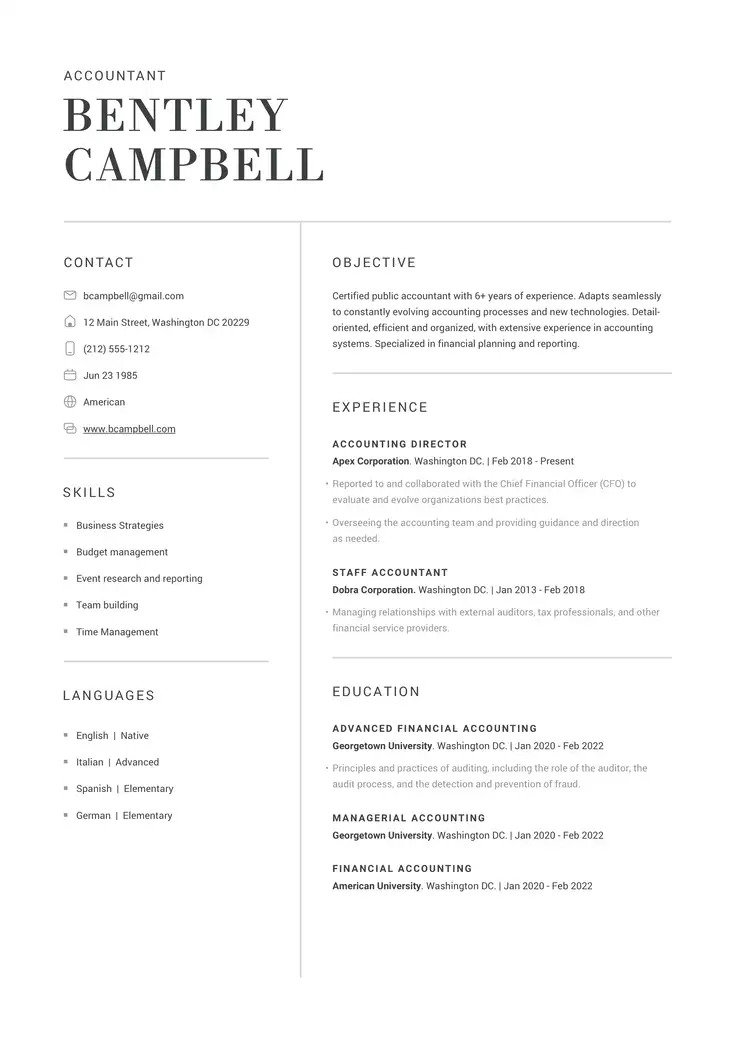
Struggling with Resume Writing?
Ease the process with our templates